Your blog post
Blog post description.
2/19/202613 min read
WHO IS A FUNCTIONAL MEDICINE DOCTOR /PRACTITIONER?
WHO IS A FUNCTIONAL MEDICINE DOCTOR /PRACTITIONER?
The Investigative Paradigm: A Systems-Biology Framework for the Resolution of Chronic Illness in Functional Medicine
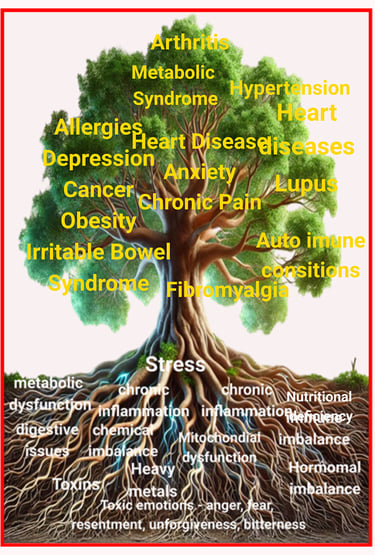
The landscape of modern healthcare is currently navigating a pivotal transition as the global burden of chronic disease necessitates a departure from the traditional, acute-care medical model. While conventional medicine excels in the management of trauma, emergency interventions, and acute infections, its diagnosis-driven architecture often proves insufficient for the complexities of long-term metabolic, autoimmune, and neurodegenerative conditions.[1, 2] Functional medicine emerged as a response to this gap, representing a patient-centred, systems-oriented paradigm that seeks to identify and address the biological root causes of disease rather than merely suppressing clinical symptoms.[3] By positioning the practitioner as an "investigator" of disease, this model utilizes advanced diagnostics and personalized interventions to restore physiological balance and promote long-term vitality.[4, 5]
The Evolution of the Medical Investigator
The fundamental premise of functional medicine is that every individual possesses a unique genetic, lifestyle, and environmental history that dictates their current health status.[6] Unlike the conventional approach, which often adopts a one-size-fits-all model based on standardized population averages, functional medicine prioritizes bio-individuality.[5, 7] This investigative framework recognizes that a single diagnosis may have multiple causes, just as a single root cause may manifest as multiple diagnoses across different patients.[5, 6]
Aspect
Conventional Medicine Paradigm
Functional Medicine Investigative Paradigm
Primary Objective
Symptom management and acute stabilization
Root-cause resolution and optimal vitality
Clinical Focus
Organ-specific pathology and diagnosis
Systems-wide interconnectedness and function
Patient Role
Passive recipient of pharmaceutical care
Active partner in lifestyle-based healing
Diagnostic Basis
Population-based "normal" ranges
Bio-individual "optimal" functional ranges
Treatment Toolset
Primarily pharmaceutical and surgical
Nutrition, lifestyle, and targeted supplementation
[5, 6, 7]
The role of the practitioner as an investigator involves a deep exploration of a patient's comprehensive health history.[8] This investigation often utilizes a clinical timeline that maps health events from preconception to the present, identifying antecedents (genetic or congenital factors), triggers (acute events that initiate symptoms), and mediators (lifestyle or environmental factors that sustain the illness).[8, 9] This meticulous process allows the practitioner to uncover the "why" behind the "what," moving beyond the superficial label of a diagnosis to address the underlying physiological disturbances.[3, 7]
Structural Imbalances: The Root-Cause Methodology
At the heart of the functional medicine investigation is the identification of underlying imbalances that serve as the catalysts for chronic illness. These imbalances typically occur within key biological systems, including gut health, nutrient status, and hormonal regulation.[3] By addressing these core disturbances, the practitioner aims to resolve the systemic inflammation and oxidative stress that characterize the majority of chronic conditions.[3, 10, 11]
The Centrality of Gastrointestinal Integrity
The gastrointestinal tract is frequently identified as the primary site of investigation in functional medicine.[6, 12, 13] Approximately 70% to 80% of the human immune system resides in the gut-associated lymphoid tissue, making gut health a critical determinant of systemic immune function.[6, 13] Disruptions in the gut microbiome—known as dysbiosis—alongside increased intestinal permeability (often termed "leaky gut") can trigger widespread inflammation and autoimmune reactivity.[11, 12, 13]
Gut Marker
Physiological Role
Impact of Dysfunction
Zonulin
Regulates tight junctions in the intestinal lining
Elevation leads to systemic immune activation
Secretory IgA
Primary immune defense in the mucosal barrier
Low levels indicate weakened gut immunity
Pancreatic Elastase
Indicator of exocrine pancreatic enzyme output
Deficiency causes malabsorption and bloating
Short-Chain Fatty Acids
Metabolic byproducts of beneficial bacteria
Low levels impair mitochondrial and brain health
[12, 13, 14]
The investigator's goal is to repair the intestinal barrier and rebalance the microbial ecosystem to silence the constant immune alarms that drive chronic disease.[6, 12] This is often achieved through a "5-R" framework: Remove (pathogens and triggers), Replace (enzymes and acids), Reinnoculate (probiotics and prebiotics), Repair (nutrients for the lining), and Rebalance (lifestyle factors).[6, 15]
Hormonal Recalibration and the HPA Axis
Hormonal imbalances serve as another primary area of functional investigation. The body’s endocrine system is highly sensitive to environmental stressors, toxin exposure, and nutrient deficiencies.[6, 10, 11] Functional practitioners examine the Hypothalamic-Pituitary-Adrenal (HPA) axis, the body's central stress response system, to understand patterns of fatigue, anxiety, and metabolic dysfunction.[3, 14, 16] Unlike standard blood tests that provide a single snapshot of hormone levels, functional testing evaluates hormone metabolites and diurnal rhythms, offering a high-resolution view of how the body is processing and responding to hormones over a 24-hour cycle.[3, 14, 17]
Nutrient Deficiencies and Cellular Metabolism
The investigation into nutrient status goes beyond the avoidance of clinical deficiency diseases like scurvy or rickets. Functional medicine assesses "functional deficiencies," where nutrient levels are inadequate to support optimal enzymatic and metabolic activity.[3, 4, 11] Critical cofactors such as magnesium, zinc, B-vitamins, and Vitamin D are essential for the production of energy in the mitochondria and the repair of DNA.[11] When these nutrients are lacking—due to poor diet, malabsorption, or genetic predispositions like the MTHFR mutation—the result is often chronic fatigue, cognitive decline, and increased disease susceptibility.[4, 11]
Systems Biology and the Interconnected Body
A defining characteristic of functional medicine is its systems-oriented approach, which views the body as an interconnected web of biological pathways rather than a collection of independent organs.[6, 10] This perspective recognizes that a dysfunction in one system inevitably affects others, creating a cascade of symptoms that can appear unrelated in a conventional medical model.[10, 15]
The Gut-Brain-Immune Axis
One of the most profound examples of this interconnectedness is the gut-brain-immune axis. The gut and the brain communicate bidirectionally via the vagus nerve, as well as through biochemical signaling involving neurotransmitters and cytokines.[10, 13, 15] Up to 90% of the body's serotonin is produced in the gut, meaning that a disrupted microbiome can directly manifest as depression, anxiety, or cognitive impairment.[10, 13] Furthermore, when the gut barrier is compromised, inflammatory molecules like lipopolysaccharides (LPS) can enter the bloodstream and cross the blood-brain barrier, leading to neuroinflammation and "brain fog".[11, 13]
Mitochondrial Medicine and Energy Pathways
Functional medicine practitioners also investigate the cellular level, particularly the role of mitochondria as the primary energy producers in the body.[10, 11] Mitochondrial dysfunction is a hallmark of chronic fatigue, fibromyalgia, and aging.[10, 11] The health of the mitochondria is influenced by oxidative stress, nutrient availability, and exposure to environmental toxins such as heavy metals or mold.[10, 11] By supporting mitochondrial resilience through targeted nutrients like CoQ10 and lifestyle practices like red light therapy, practitioners can address the fundamental "power failure" that underlies many chronic conditions.[10, 11, 16]
Advanced Diagnostics: The Tools of the Investigator
The investigative process is powered by advanced, functional lab testing that identifies subtle shifts in physiology before they progress to full-blown disease.[3] These tests utilize state-of-the-art technology, including genomics, liquid chromatography, and mass spectrometry, to provide a detailed map of a patient's internal terrain.[3, 14]
Comprehensive Microbiome and Hormone Analysis
The GI-MAP (Gastrointestinal Microbial Assay Plus) uses DNA sequencing (multiplex PCR) to detect pathogens, parasites, fungi, and commensal bacteria.[3, 14] It offers a level of sensitivity that traditional stool cultures lack, allowing for the identification of "stealth" infections like H. pylori or Giardia that may be driving systemic symptoms.[12, 14]
For hormonal assessment, the DUTCH (Dried Urine Test for Comprehensive Hormones) test is considered the industry standard.[3, 18] By measuring hormones and their metabolites in urine collected over 24 hours, it reveals how the body is detoxifying estrogen and how much free cortisol is available at different points in the day.[3, 14]
Organic Acids and Micronutrient Status
The Organic Acids Test (OAT) provides a metabolic snapshot of a patient's biochemistry.[3, 14] It measures byproducts of metabolism that reflect nutrient needs, neurotransmitter levels, and fungal or bacterial overgrowths.[14] When combined with micronutrient testing like the NutrEval, which analyzes vitamins, minerals, and fatty acids in blood and urine, practitioners can create a highly precise supplement and dietary protocol.[3, 14, 18]
Advanced Test
Primary Target
Clinical Application
GI-MAP
Gut Microbiome DNA
IBS, Autoimmunity, Skin issues
DUTCH Complete
Hormone Metabolites
Menopause, PMS, Fatigue, Sleep
Organic Acids (OAT)
Metabolic Markers
Brain fog, ADHD, Toxic load
IgG Food Explorer
Food Sensitivities
Bloating, Aches, Inflammation
SIBO Breath Test
Intestinal Gases
Excessive gas, Bloating, Malabsorption
[3, 12, 14, 18]
The Role of Genomics and Epigenetics
Functional medicine increasingly incorporates genomics to understand a patient's inherited predispositions.[10] Tests such as the 3X4 Genetics panel reveal how gene pathways influence detoxification, inflammation, and aging.[15] Crucially, the model emphasizes epigenetics—the study of how lifestyle and environment turn certain genes "on" or "off".[10] This empowers patients with the knowledge that their genetic code is not their destiny; rather, their daily choices are the primary influencers of their health outcomes.[10, 15]
The Intervention Strategy: Food-First and Lifestyle Medicine
The treatment model in functional medicine is fundamentally different from the pharmaceutical-first approach of conventional medicine. While medications are utilized when necessary, the primary emphasis is on modifiable lifestyle factors, with nutrition serving as the foundational intervention.[6, 7]
Nutrition as Biological Information
In functional medicine, food is viewed not just as calories, but as biological information that speaks to the cells and the immune system.[2, 6] A "food-first" approach emphasizes high-quality, whole, unprocessed foods that are rich in phytonutrients and antioxidants.[2, 7, 15] Practitioners often implement targeted dietary protocols to reduce inflammation and restore gut integrity.[2, 6]
Common dietary strategies include:
• Elimination Diets: Temporarily removing common triggers like gluten, dairy, and soy to identify hidden sensitivities.[6, 14]
• Anti-Inflammatory Diets: Such as the Mediterranean or DASH diets, which are rich in omega-3 fatty acids and polyphenols.[2, 19]
• The Wahls Protocol: A nutrient-dense diet designed specifically to support mitochondrial health and myelin repair in autoimmune conditions.[20]
• Low-FODMAP Diets: Utilized for managing SIBO and reducing fermentation in the small intestine.[13]
Lifestyle Modifications: The Circadian Rhythm and Sleep
The investigation into a patient's lifestyle includes a deep dive into sleep hygiene and circadian rhythm alignment.[16, 21, 22] The body’s internal clock regulates everything from hormone release to the immune response.[16, 21] Disruption of this rhythm—due to artificial blue light, irregular sleep schedules, or late-night eating—is a significant driver of chronic disease.[16, 23]
Circadian Strategy
Physiological Mechanism
Desired Outcome
Morning Sunlight
Signals SCN to reset the internal clock
Improved daytime alertness and nightly melatonin
Blue Light Blocking
Prevents suppression of melatonin at night
Faster sleep onset and improved sleep quality
Cool/Dark Bedroom
Mimics natural nighttime environment
Deep restorative sleep and metabolic repair
Timed Nutrition
Aligns digestion with metabolic rhythms
Improved blood sugar control and weight stability
[16, 21, 23, 24]
Stress Modulation and Autonomic Balance
Chronic psychological stress triggers the sympathetic nervous system, creating a state of "threat mode" that inhibits the body's natural healing processes.[16, 25, 26] Functional medicine incorporates mind-body practices such as breathwork and meditation to activate the parasympathetic nervous system, or "rest and digest" mode.[26, 27, 28]
Techniques like Box Breathing (a 4-4-4-4 pattern) and the 4-7-8 Relaxing Breath have been clinically shown to improve heart rate variability (HRV) and lower blood pressure.[26, 27] Recent research also highlights Cyclic Sighing—an emphasis on prolonged exhalations—as a superior method for improving mood and reducing the respiratory rate.[26]
The Professional Landscape: Who are Functional Practitioners?
Functional medicine is an interdisciplinary field that attracts a diverse range of healthcare professionals who seek to move beyond the limitations of symptom management.[8, 29] These practitioners are often licensed in their respective fields but have undergone extensive postgraduate training in the functional medicine model.[8, 30]
Training and Certification
The Institute for Functional Medicine (IFM) is the premier certifying body, providing a rigorous training program that includes the "Applying Functional Medicine in Clinical Practice" (AFMCP) foundational course and six system-specific Advanced Practice Modules.[8, 30] Other organizations, such as the Integrative and Functional Nutrition Academy (IFNA) and the Kalish Institute, offer specialized certifications for dietitians, nutritionists, and telehealth practitioners.[9, 29]
Practitioners include:
• Licensed Physicians (MDs or DOs): Many integrate functional principles into primary care or specialty practices.[31, 32]
• Advanced Practice Clinicians (NPs and PAs): Often play a key role in the long-term management of complex cases.[29]
• Registered Dietitians and Nutritionists: Focus on the intensive nutritional therapy required to resolve gut and metabolic issues.[29]
• Pharmacists: Increasingly involved in managing drug-nutrient depletions and personalized supplement protocols.[8]
Functional Medicine in the United Kingdom
In the United Kingdom, the landscape of functional medicine is evolving rapidly. While many GPs are beginning to integrate these holistic approaches, functional medicine is not currently formally recognized by the National Health Service (NHS) as a standard treatment model.[5] As a result, much of the practice occurs in the private sector, where clinicians have the time to perform the in-depth assessments required by the investigative model.[5, 32]
Despite the lack of formal NHS recognition, integrative medicine centers like the Royal London Hospital for Integrated Medicine (RLHIM) provide a bridge between conventional and holistic care, specializing in chronic conditions that are difficult to treat with standard protocols.[33] The UK market for complementary and integrative medicine is valued at approximately £1.6 billion, reflecting a growing public demand for a more human-centered, root-cause approach to health.[34]
Clinical Application: Chronic Fatigue and Long-COVID
The power of the functional medicine investigation is perhaps most evident in the management of complex, multi-system conditions like Chronic Fatigue Syndrome (CFS) and Long-COVID.[35, 36, 37] These conditions frequently involve persistent exhaustion, cognitive impairment, and autonomic dysfunction that do not improve with standard rest.[11, 13, 35]
The Investigative Steps for Persistent Fatigue
A functional practitioner approaches chronic fatigue by looking for the "interference" that is preventing energy production. This investigation examines 20 or more potential mechanisms, including:
1. Mitochondrial Dysfunction: Damage to the cell's power plants from toxins or oxidative stress.[11]
2. Gut-Derived Inflammation: Translocation of bacterial toxins from a leaky gut into the bloodstream.[13, 37]
3. Hormonal Exhaustion: Imbalances in the HPA axis and thyroid function that slow the metabolic rate.[11, 36]
4. Chronic Immune Load: Persistent low-grade infections, such as the Epstein-Barr virus (EBV) or mold exposure (mycotoxins).[4, 11, 36]
5. Blood Sugar Dysregulation: Metabolic crashes that lead to "wired but tired" patterns.[11, 36]
[11]
This investigative depth allows the practitioner to move beyond a diagnosis of "exclusion" and create a personalized plan to rebuild the patient's energy and resilience from the inside out.[11, 36]
The Future of the Functional Model: Longevity and Resilience
As we look toward 2025 and beyond, functional medicine is increasingly focused on the concept of "Longevity Medicine"—the science of extending not just lifespan, but "healthspan".[10, 31, 32] This involves the proactive identification of biological aging markers and the use of therapies such as replenishment and biological age testing to keep the cellular machinery functioning at an optimal level.[10, 15]
Longevity Marker
Scientific Target
Functional Intervention
Biological Age (Methylation)
Epigenetic clock reversal
DNA-supportive nutrients, Sleep, Exercise
Telomere Length
Protective caps on chromosomes
Stress reduction, Antioxidant-rich diet
Levels
Cellular energy and DNA repair
Intermittent fasting, Precursor supplements
Oxidative Stress (8-OHdG)
Mitochondrial DNA damage
High-polyphenol diet, Detoxification
[10, 14, 15]
By shifting the focus from "waiting for disease" to "building resilience," functional medicine offers a comprehensive framework for a healthier future. It represents a paradigm where the practitioner and patient work as partners to uncover the hidden signals of the body, creating a sustainable path to vitality that lasts a lifetime.[5, 31]
Synthesis and Strategic Recommendations
The transition to a functional medicine model represents more than just a change in treatment tools; it is a fundamental shift in how we conceptualize health and disease. By embracing the role of the investigator and focusing on the interconnected systems of the body, practitioners can offer hope to those who have struggled to find answers in a conventional medical setting.
To achieve success in this model, both practitioners and patients should adhere to the following strategic pillars:
• Embrace the Investigation: Avoid the temptation of a "quick fix" and commit to the deep work of uncovering root causes through advanced testing and detailed history.[3, 15]
• Prioritize the Foundations: Supplements and advanced therapies are most effective when built upon a bedrock of solid nutrition, restorative sleep, and effective stress management.[6, 7, 15]
• Foster Partnership: True healing requires an active, empowered patient who works in conjunction with a knowledgeable, compassionate practitioner to implement long-term changes.[1, 5]
• Focus on Function, Not Just Disease: The goal is to move beyond the absence of illness and toward the presence of optimal function across every system of the body.[3, 7]
Through this rigorous, patient-centered approach, the functional medicine paradigm provides the necessary tools and guidance to transform the trajectory of chronic illness and pave the way for a more vibrant and resilient future.[4, 5, 15]
--------------------------------------------------------------------------------
1. Frustration: A Challenge in Chronic Conditions - PMC - NIH, https://pmc.ncbi.nlm.nih.gov/articles/PMC4228539/
2. Food First: How Dietary Changes Can Improve Health Outcomes - Dr. Matt le Roux, https://www.mattleroux.com/food-first-how-dietary-changes-can-improve-health-outcomes/
3. Top 5 Functional Medicine Lab Tests for Deeper Diagnostics | Timeless Health, https://www.timelesshealthmd.com/blog/top-5-functional-medicine-lab-tests-for-deeper-diagnostics
4. Make 2025 Your Healthiest Year Ever with Functional Medicine, https://www.functionalmedicineclinic.in/post/make-2025-your-healthiest-year-ever-with-functional-medicine
5. Let's Dig Deeper! Functional Medicine and why it's so important for ..., https://ncim.org.uk/lets-dig-deeper-functional-medicine-and-why-its-so-important-for-personalised-care
6. What Is The Functional Medicine Approach? A Beginner's Guide – AMMD, https://www.amymyersmd.com/blogs/articles/what-is-the-functional-medicine-approach
7. Functional Nutrition: A Friendly Guide to Food-as-Medicine | BodySpec, https://www.bodyspec.com/blog/post/functional_nutrition_a_friendly_guide_to_foodasmedicine
8. Institute for Functional Medicine (IFM) - FMPhA.org, https://www.fmpha.org/ifm
9. Kalish Institute Functional Medicine Certification, https://www.kalishinstitute.com/kalish-institute-functional-medicine-certification
10. Why 2025 Is a Turning Point for Functional Medicine - Access Medical Labs Blogs, https://blog.accessmedlab.com/top-5-trends-in-functional-medicine-in-2025/
11. Functional Medicine for Fatigue & CFS/ME (20 Causes), https://wisdomnutrition.co.uk/functional-medicine-for-fatigue-cfs-me/
12. From the Blog: GI-MAP and IgG Food Explorer: The Best Tests for Identifying Food Sensitivities in Functional Medicine | Diagnostic Solutions Laboratory, https://www.diagnosticsolutionslab.com/blog/gi-map-and-igg-food-explorer-the-best-tests-for-identifying-food-sensitivities-in-functional-medicine
13. The Gut-Fatigue Connection: How Your Microbiome Impacts Chronic Fatigue Syndrome, https://www.sheenveinandcosmetics.com/blog/the-gut-fatigue-connection-how-your-microbiome-impacts-chronic-fatigue-syndrome
14. Which Functional Lab Test Do I Need? GI360 vs OAT vs DUTCH vs ..., https://brainfoodnutrition.co.uk/which-functional-lab-test-do-i-need-gi360-vs-oat-vs-dutch-vs-sibo/
15. Functional Medicine Tips for 2025: Optimize Your Health, https://insperomedical.com/functional-medicine-tips-for-2025/
16. Top 5 Functional Medicine Strategies to Improve Sleep Quality ..., https://www.restorativemedcenter.com/seo/top-5-functional-medicine-strategies-to-improve-sleep-quality
17. There is Always More to Learn: Why Should I Bother Getting a Functional Lab Test?, https://www.thrivingbiome.com/post/there-is-always-more-to-learn-why-should-i-bother-getting-a-functional-lab-test
18. Functional Medicine Lab Testing | GI-Map, Dutch Test & More, https://www.mymcfm.com/lab-testing
19. Personalized Lifestyle Medicine: Relevance for Nutrition and Lifestyle Recommendations - PMC, https://pmc.ncbi.nlm.nih.gov/articles/PMC3710624/
20. Health Practitioner Certification - Terry Wahls, https://terrywahls.com/certification/
21. Nurturing Your Circadian Rhythm for Optimal Wellness - Living Well Dallas, https://livingwelldallas.com/adjust-your-sleep-pattern/nurturing-your-circadian-rhythm-for-optimal-wellness/
22. How to Reset your Circadian Rhythm: Try These 4 Tips - Taylor Dukes Wellness, https://taylordukeswellness.com/blogarchive/2021-3-17-how-to-reset-your-circadian-rhythm-try-these-4-tips/
23. Tips to sync your circadian rhythm - SAS Blogs, https://blogs.sas.com/content/efs/2025/02/26/tips-to-sync-your-circadian-rhythm/
24. Mastering Your Body Clock: 6 Quick Tips to Optimizing Your Circadian Rhythm, https://integrative.ca/blog/6-easy-ways-keep-circadian-rhythm-control
25. Simple Breathing Exercises to Help You Manage Stress | American Lung Association, https://www.lung.org/blog/stress-breathing-exercises
26. These 3 breathwork exercises will reduce your stress and anxiety | Prenuvo blog, https://prenuvo.com/blog/these-3-breathwork-exercises-will-reduce-your-stress-and-anxiety
27. Breathwork for Stress Relief: 8 Science–Backed Techniques to Calm Your Nervous System, https://richmondfunctionalmedicine.com/breathwork-for-stress-relief/
28. Relaxation techniques for stress: MedlinePlus Medical Encyclopedia, https://medlineplus.gov/ency/patientinstructions/000874.htm
29. Integrative and Functional Nutrition Academy - Functional Nutrition Certification & Credential - IFN Academy, https://www.ifnacademy.com/
30. Functional Medicine Certificate | Bastyr University, https://bastyr.edu/programs/functional-medicine-certificate
31. Functional Medicine Blueprint: Start 2025 Strong, https://www.gandhihealthandwellness.com/blog/functional-medicine-blueprint-2025-optimal-health/
32. Dr Stavy Nikitopoulou: Functional Medicine, Private GP Clinic | Personalized Health Solutions, https://drstavy.com/
33. Integrated Medicine Services | UCLH Holistic NHS Care for Chronic Conditions, https://www.uclh.nhs.uk/our-services/find-service/integrated-medicine
34. Learning Holistically – Top Integrative Medicine Courses in London - Greenland Medical, https://greenland-medical.com/post/integrative-medicine-course-london
35. How Functional Medicine Helps Address Chronic Fatigue - Life Balance Wellness, https://lifebalancemc.com/managing-chronic-fatigue-with-functional-medicine/
36. A Functional Medicine Approach to Chronic Fatigue - Steve Grant Health, https://www.stevegranthealth.com/articles-posts/a-functional-medicine-approach-to-chronic-fatigue/
37. Intestinal permeability correlated with chronic fatigue in a patient with long COVID—A case report and overview of the literature - PMC, https://pmc.ncbi.nlm.nih.gov/articles/PMC12907148/